

Introduction
The 2022 South Korea site visit was special for many reasons. It was the first extensive site visit we undertook after coming out of Covid, and perhaps because of that, it matched our energy perfectly. Slow, quiet, and intentional.
We spent close to a month driving across the country, not rushing from highlight to highlight, but giving ourselves the time to observe, feel, and recalibrate. It also marked a personal milestone. This was the first country where we navigated right-hand driving entirely on our own, in a foreign-language environment. There were moments of uncertainty, missed turns, and a lot of trust in instincts. But those experiences grounded the journey and made it even more memorable.
This trip reminded us why on-the-ground site visits matter. What we experienced was not curated or imagined. It was lived, navigated, and felt in real time.
Why Most South Korea Itineraries Feel Rushed
To most travellers, South Korea is defined by three places: Seoul, Jeju, and Busan. While there is nothing wrong with these destinations, the way trips are often designed can feel repetitive and exhausting.
Many travellers struggle with:
• Overcrowded cities and constant noise
• Itineraries packed too tightly
• Little time to slow down and recharge
• Shopping‑focused days that leave you more tired than refreshed
When a destination does not align with your travel style, even the most popular places can feel uninspiring.
Designing South Korea Differently
This site visit reminded us why thoughtful travel design matters. Instead of forcing travellers into places that do not resonate, we look for regions that allow space, calm, and connection. Southern South Korea offers exactly that.
In this Designer Discoveries series, we focus on the southern regions of the country. While we exclude Busan itself, every destination below is easily accessible from Busan and works beautifully as part of a slower, more intentional journey.
Tongyeong: Coastal Calm and Island Views
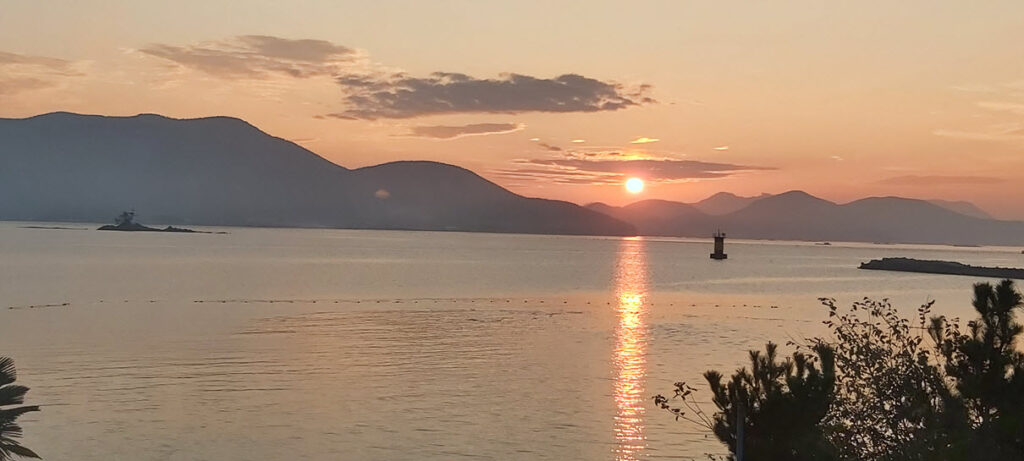 Just two hours from Busan, Tongyeong is often overlooked, which is precisely why it remains special. The sea stretches quietly into the distance, dotted with small islands, and the town moves at a gentler pace.
Tongyeong also carries a very personal story for me. About fifteen years ago, I attempted to visit Oedo Island from Busan using public transport. The journey would have taken close to four hours one way. Unfortunately, I managed to secure only a 9.30am ferry ticket. There were no trains or buses that could get me there in time.
I still remember the hotel staff in Busan telling me, very matter-of-factly, that it was impossible.
I had to give up.
That regret stayed with me for years. I remember telling myself that one day, I would return and finally see the beautiful garden island that had slipped through my fingers.
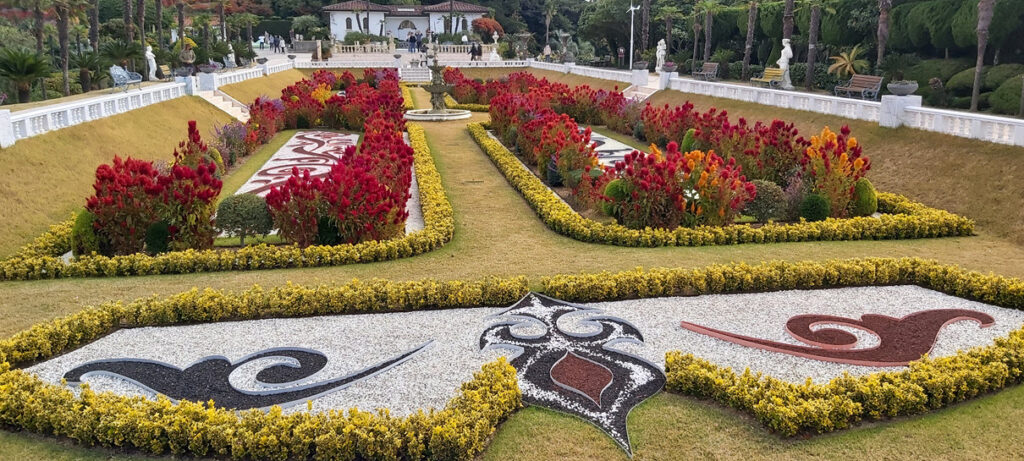
In 2022, that promise was fulfilled. Driving made all the difference. Oedo Island revealed itself as a beautifully landscaped garden set on a private island, with carefully controlled ferry access. The visit itself is short, about one and a half hours, but perfectly paced and more than sufficient to enjoy the space.
For families, Skyline Luge Tongyeong is also an enjoyable stop, especially for children.
Namhae: Quiet Villages and Empty Beaches
Namhae feels untouched and local. Villages here remain deeply rooted in everyday life rather than tourism.
The German Village and American Village reflect a lesser‑known chapter of Korea’s overseas labour history. Beaches are calm and often empty, especially on weekdays. It is not uncommon to feel as though you have the entire coastline to yourself.
This is a place where time naturally slows down.
Yeosu: Gentle Evenings by the Sea
Yeosu comes alive at night, but in a soft and atmospheric way rather than a loud one.
One of the most memorable experiences here is enjoying a pocha meal, a street food culture deeply woven into daily life in South Korea and often seen in K-dramas. Sitting by the water under tented stalls, ordering ramyeon, tteokbokki, and small sharing dishes feels wonderfully local and unpretentious.
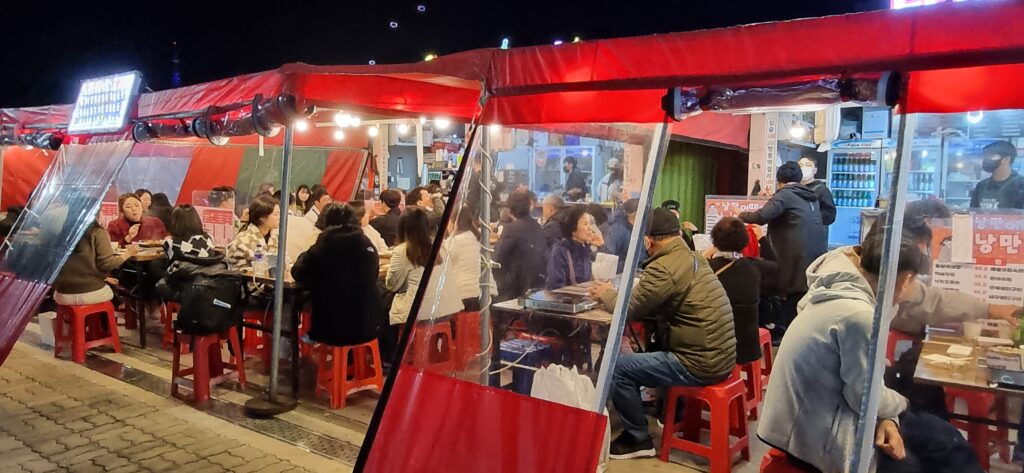
In Yeosu, these pocha experiences are elevated by an abundance of fresh seafood. Simple preparations, incredibly fresh produce, and sea views make for an evening that feels authentic rather than staged.
Arte Museum offers a modern contrast, while Odongdo Island remains quiet and uncrowded. The Big-O Show followed by a cable car ride up to Dolsan Park rounds off the evening gently.
Suncheon Bay Wetland: A Place to Breathe
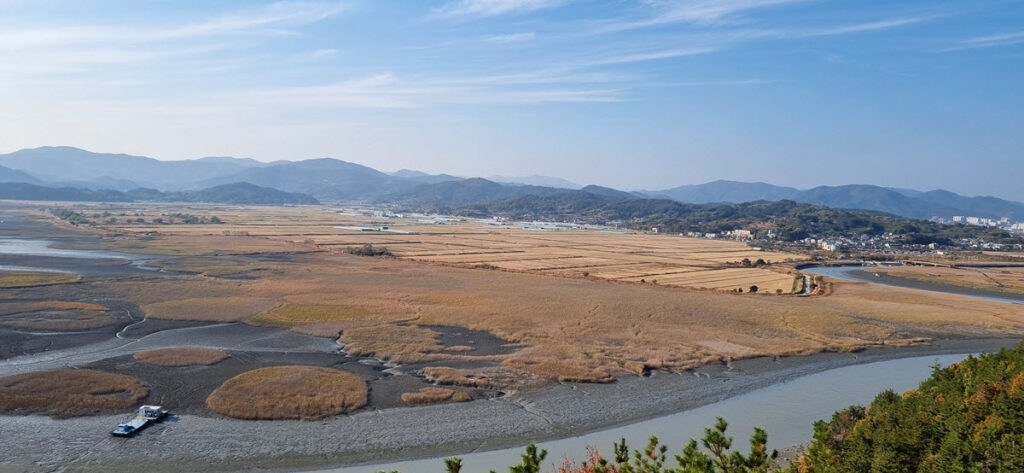
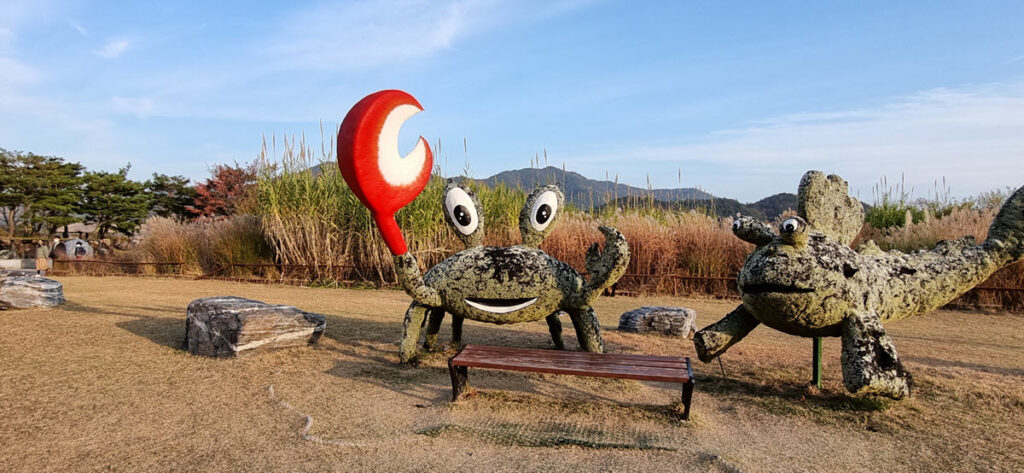
Suncheon Bay is my favourite stop of the entire journey. The wetlands are expansive, peaceful, and beautifully preserved. Wooden boardwalks wind through tall reeds, and the stillness is broken only by birds and wind.
It is easy to spend an entire day here, walking slowly, observing, and simply being present.
Boseong Tea Plantation: Walking Through Green Calm
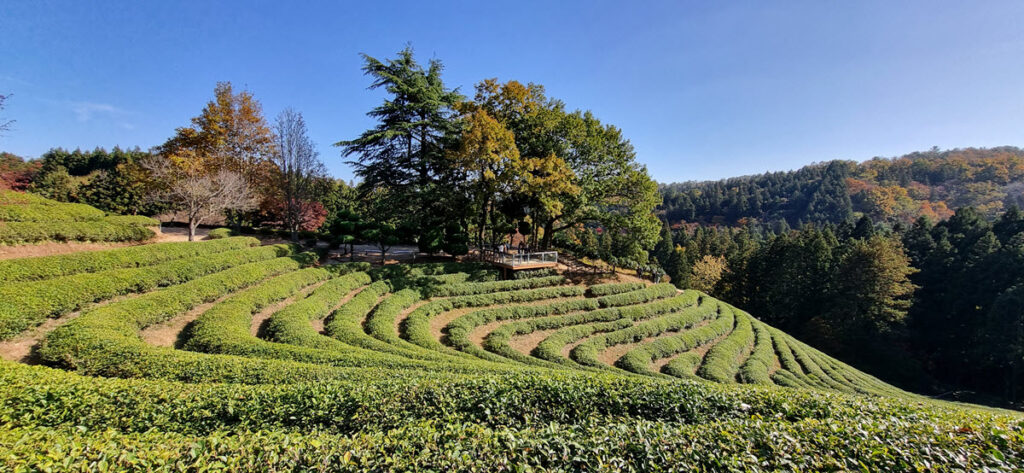
Boseong’s tea fields roll gently across the hills, offering wide open views and quiet walking paths. This stop is less about activity and more about perspective, slowing down, and taking in the landscape.
Getting Around Southern South Korea
With efficient KTX connections, returning to Busan is straightforward. This route can also be done using slower trains if time allows. When not working, I would always choose the slower option. Watching the scenery change gradually adds another layer to the journey.
Our Approach to Korea Travel
Our South Korea private tours journeys are designed differently. They are built around your needs, energy, and travel style rather than shopping lists or packed schedules.
We focus on:
• Off‑the‑beaten‑path destinations
• Slower pacing that allows time to recharge
• Meaningful landscapes and local encounters
• Free and easy time for shopping, if you choose
The rest of the journey is intentionally designed for rest, exploration, and reconnection.
Partner with us on your next private tour to South Korea, we promise, it will be different.