
Introduction
Some journeys look effortless on paper. Travellers simply move from one beautiful place to another,enjoying great food, scenic drives and memorable experiences along the way. Yet behind many seamless journeys lies careful planning, thoughtful logistics and a deep understanding of how travel flows across a region.
Earlier this year, a returning client, V, contacted me after travelling with me to Taiwan the previous December. She and her family love visiting Japan and often plan their own trips. This time, however, they wanted a journey through northern Japan that felt more thoughtfully designed.
Their previous experience with a well‑known travel agency in Japan had left them slightly frustrated. While the agency provided a packaged self‑drive itinerary, the schedule was rigid. If they wished to change anything during the trip, they had to contact the agency to make adjustments.
What they were hoping for this time was different. They wanted a journey designed around how they actually travel.
As a Japan travel planner, my approach is not to offer fixed packages. Each itinerary is curated specifically for the traveller so that the journey flows naturally without constant adjustments.
Shaping a Realistic Route Through Tohoku
The family had eleven days and initially hoped to visit Hakodate in Hokkaido together with
Aomori, Akita and Iwate in northern Japan.
On a map this might appear manageable. In reality, Tohoku is vast and rural. Distances between places are long and many of the most beautiful landscapes lie far from major transport routes.
After discussing their priorities, we refined the route to focus on Hakodate together with two prefectures in northern Tohoku, Aomori and Akita. By concentrating on fewer regions, the journey became far more enjoyable. The family could travel slowly, enjoy coastal drives, stay in ryokans and experience local seafood without feeling rushed.
This slower rhythm is exactly what makes travel in northern Japan so special.
Solving the First Puzzle: Flights to Northern Japan
Even before the trip begins, travel in Tohoku requires careful logistical planning.
There are no direct flights from Singapore to the region and flying in and out of the same airport would create unnecessary backtracking across large distances.
The solution was an open‑jaw route. The family flies into Hakodate via Tokyo Haneda and returns home from Akita via Haneda. This routing maximises exploration time and avoids repeating the same long journey at the end of the trip.
A Memorable Arrival in Hakodate
The family arrives in Hakodate in the morning and collects their rental car directly at the
airport. Instead of heading straight to the hotel, the journey begins with a small but memorable experience.
Their first stop is Hakodate Morning Market. 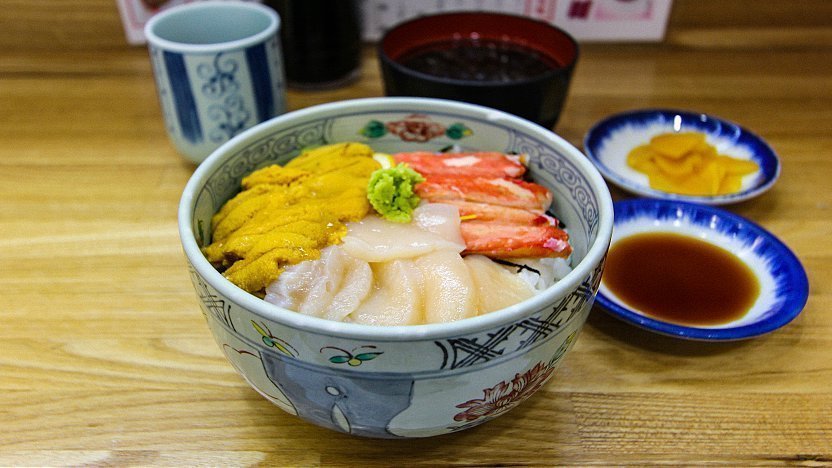
After a long international flight, a seafood breakfast of fresh sashimi, crab and uni provides the perfect welcome to northern Japan. Over the next two days they explore the city slowly, walking along the coast and enjoying the famous night view from Mount Hakodate.
A Seamless Transition Into Aomori
The transition from Hakodate to Aomori required careful planning.
Rather than returning the rental car to the airport, the family returns it directly at
Shin‑Hakodate‑Hokuto Station. From there they board the Hokkaido Shinkansen, which travels beneath the sea through the Seikan Tunnel before emerging in Aomori roughly an hour later.
Another rental car awaits them upon arrival. Within minutes they are driving again, beginning the next stage of their self‑drive journey through northern Tohoku.
Exploring the Landscapes of Aomori
Their first afternoon in Aomori is intentionally relaxed. After the train journey they drive towards Oirase Gorge and Lake Towada, one of the most beautiful natural landscapes in Japan. 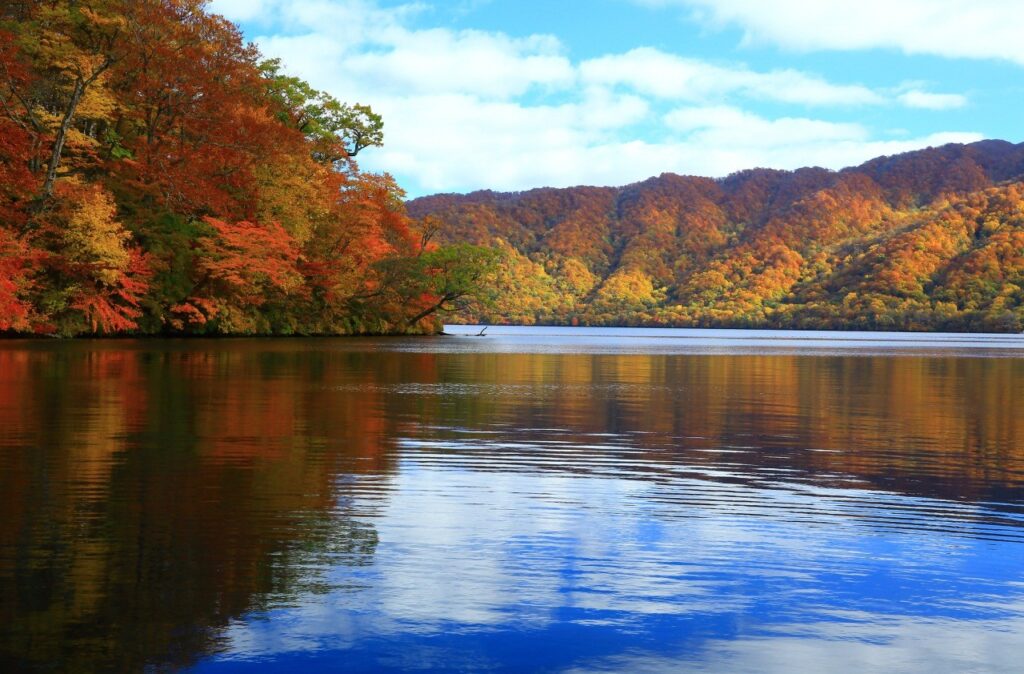
Instead of planning long drives on the first day, the itinerary keeps distances short so the family can spend time walking the forest trails and enjoying the scenery.
Turning a Long Drive Into a Pleasant Journey
The following day involves a longer drive north toward the atmospheric and spiritual site of Mount Osorezan. Rather than driving straight through, the route includes a coastal seafood lunch stop along the way.
Breaking the journey into smaller segments transforms a potentially tiring drive into an enjoyable day on the road.
Using the Ferry to Save Time and Add Experience
From Cape Oma the family continues to Wakinosawa Port to board a car ferry across the
Tsugaru Strait.
Driving around the peninsula would involve several additional hours behind the wheel. The ferry changes the experience entirely. The crossing takes about an hour and allows travellers to relax, enjoy the sea breeze and watch the coastline pass by.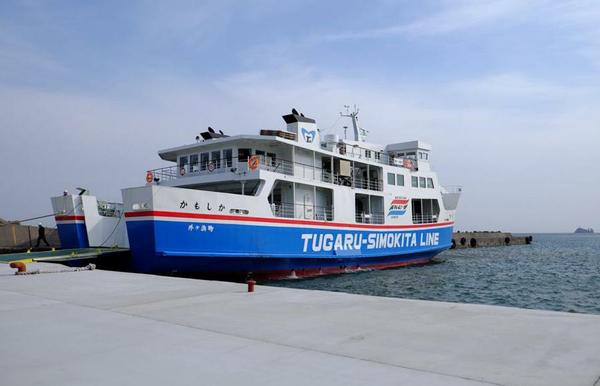 This small decision saves roughly one and a half hours of driving while adding a memorable moment to the journey.
Seasonal Experiences in Northern Japan
Because the family travels in May, the itinerary includes seasonal highlights such as the azaleas of Chausu‑Yama Park and dramatic coastal scenery at Cape Tappi.
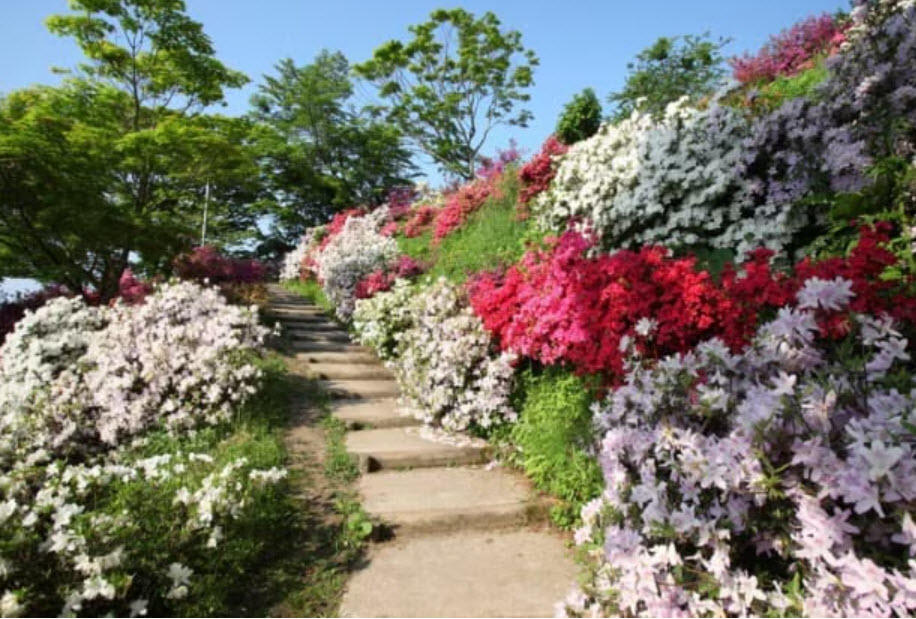
Accommodation in this region is limited. Only one ryokan nearby offers the level of comfort they requested, so reservations had to be secured quickly before the season began.
Hidden Gems of Aomori
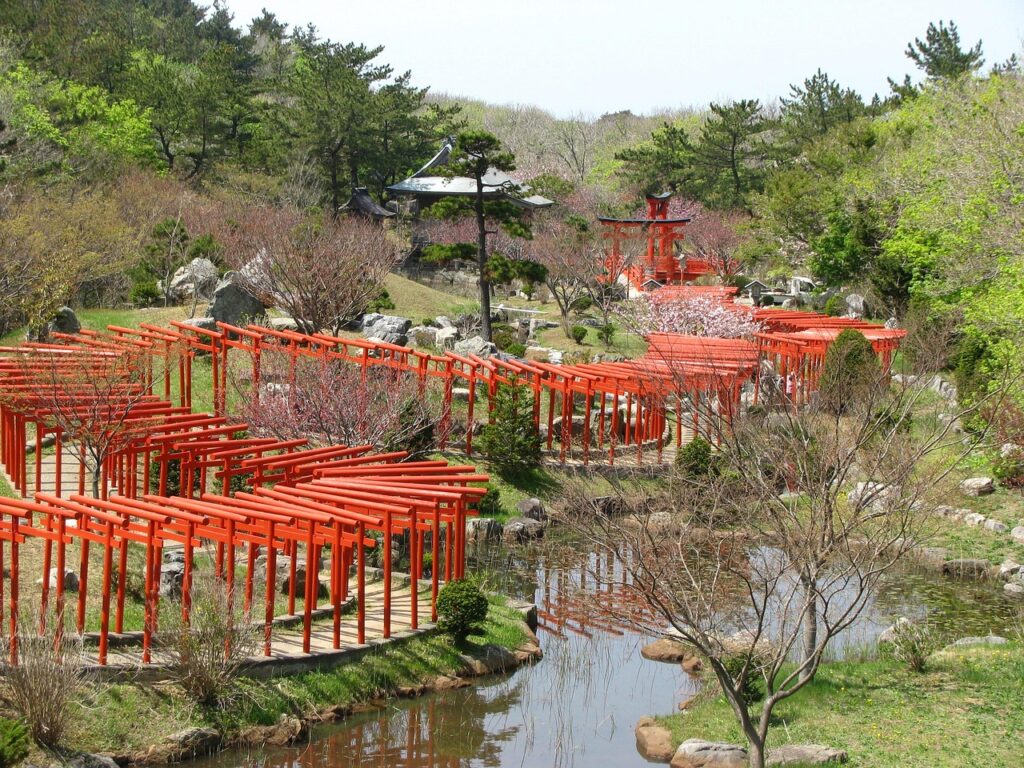 On their final day in Aomori the family visits Takayama Inari Shrine, where rows of vermilion torii gates wind through the landscape. Unlike Kyoto’s famous shrine, this location offers the same beauty without the crowds.
Later they explore the Juniko Lakes, a collection of deep blue lakes hidden within the forest.
Entering Akita Prefecture
Before leaving Aomori, the family visits Hirosaki Park and a local apple farm. Apples are an important part of Aomori’s identity and the visit provides a small glimpse into local culture.
From there they continue south into Akita where they visit the Akita Dog Museum and ride the unique Odate Rail Bike along a former railway line.
The Importance of Slow Days
Long journeys benefit from moments of stillness. One day of the itinerary is intentionally left open around Lake Tazawa.
Here the family can drive around the lake, take a boat ride, enjoy a picnic or simply walk along the shoreline. These quieter days often become the most memorable.
Chasing the Snow Corridor of Hachimantai
One of the family’s special requests was to visit the Hachimantai Aspite Line, famous for its spring snow walls. 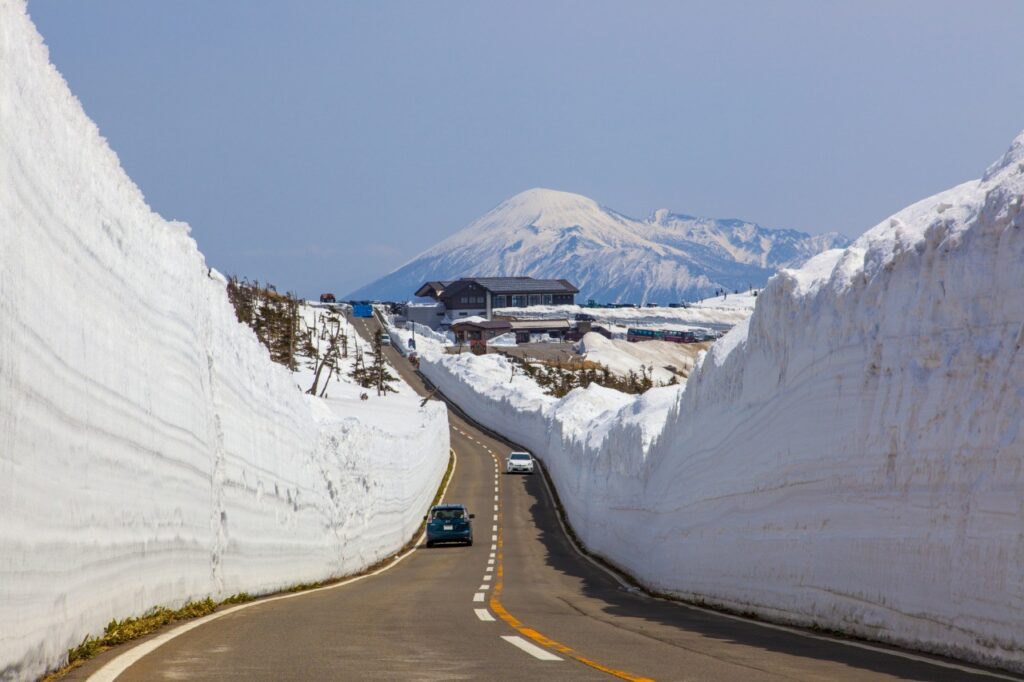
To make this possible, their accommodation the night before was carefully selected just twenty minutes from the scenic road. This allows them to explore the snow corridor and the famous Dragon Eye comfortably before continuing their journey.
Solving the Final Logistics Challenge
The last puzzle involved the airport transfer.
The family’s flight from Akita departs at 8:35 in the morning, but the rental car office only opens at 8:00. Returning the car on the morning of departure was therefore impossible. We arranged to return the car the night before and organise a private airport transfer.
Most transport providers in Akita operate small four‑seat sedans and suggested sending two cars. After speaking with several contacts, we finally secured a Toyota Hiace through our network.
It required advance reservation and a bit of relationship building, but it meant the family could travel together comfortably for the final ride to the airport.
Designing Seamless Travel
Across the journey five ryokans were arranged and most dinners were pre‑planned because many restaurants in rural areas close early and menus are often only in Japanese.
When these details are handled properly, travellers simply enjoy the landscapes, the food and the experiences without worrying about logistics.
That is the craft of travel design. When everything works quietly in the background, the journey itself feels effortless.
Planning Travel in Tohoku
Planning travel in northern Japan requires careful coordination of flights, trains, ferry schedules, car rentals and accommodation availability.
As a Japan travel planner, designing journeys through regions like Aomori and Akita means ensuring each transition flows smoothly so travellers can focus entirely on enjoying the experience.
About the Author
Best Teo is the founder and chief travel designer of Epic Travel Designer. She specialises in creating bespoke journeys across Japan and other destinations for travellers who value thoughtful planning, authentic experiences and seamless logistics.