
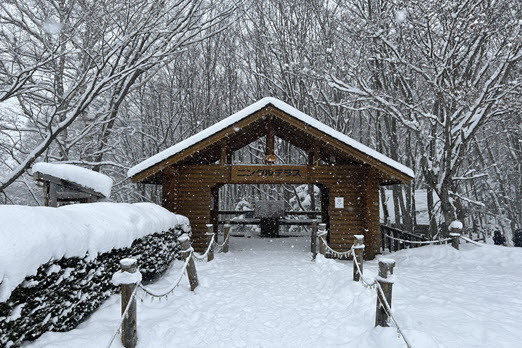
A Family Snow Journey Designed Beyond Sapporo
When most people think of a winter trip to Hokkaido, the same places come to mind.
Sapporo. Niseko. Ski resorts packed with travellers. Convenient, yes. Memorable, not always.
Over the years, I have seen many families return from these trips slightly underwhelmed. Too crowded. Not enough snow. Too rushed. It ends up feeling like a standard itinerary rather than a meaningful experience.
That was exactly what I wanted to avoid when C approached me.
She had travelled with us before through Taiwan Free and Easy, so she already understood how we work. This time, she wanted something very specific.
A proper winter experience for her children. Their first time seeing snow. Something immersive, not just a checklist.
That was when we started designing her journey through our Japan Travel Planner
Why Hokkaido Needs To Be Designed Properly
Hokkaido looks straightforward on paper.
Fly into Chitose. Head to Sapporo. Add a ski resort. Fill in a few attractions.
But once you start thinking about experience, especially for families, the questions begin to change.
- Where will the snow actually be consistent
- How do you avoid crowds during peak winter travel
- What activities will keep children engaged beyond skiing
- How do you balance outdoor exposure with comfort
- When do you move and when do you stay
These are not booking decisions. These are design decisions.
That is exactly what our Travel Planning Process is built for.
Understanding The Family Behind The Trip
C was travelling with her husband and two children in primary school.
This was not a ski-focused trip. It was their children’s first real encounter with winter.
She wanted them to experience snow properly, not just see it from a distance.
At the same time, she wanted variety. Hands-on activities. Animal encounters. Cultural elements. Not just endless snow fields.
Because she had worked with us before, there was already trust. She understood the value of the upfront travel proposal fee and confirmed it immediately so we could begin.
Why We Did Not Choose Sapporo Or Niseko
This was one of the most important decisions.
Instead of following the usual route, we brought the family to Furano.
While most travellers were concentrated around Sapporo and Niseko, Furano offered something very different. More consistent snowfall. Fewer crowds. More space to enjoy the environment without pressure.
During their trip, it snowed almost every day.
Meanwhile, some of their friends who were in Sapporo at the same time had little snow and heavy crowds.
This is the difference between following what is popular and designing what actually works.
Highlights Of The Hokkaido Winter Experience
Every part of this itinerary was placed with intention. Not just what to see, but how it fits into the overall journey.
Asahiyama Zoo: Where Winter Comes Alive
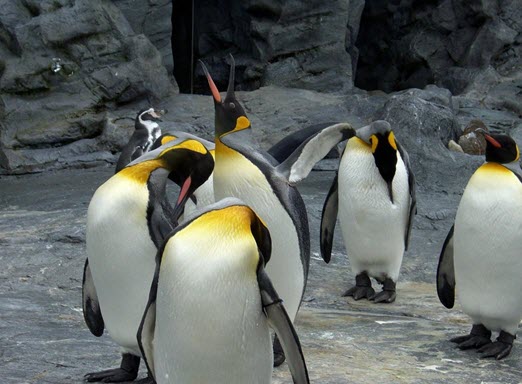
In Asahikawa, we brought the family to Asahiyama Zoo.
This is not a typical zoo experience. Animals behave differently in winter, and that changes everything. Penguins waddling through snow. Polar bears moving with purpose. The entire environment feels alive in a way that children immediately connect with.
For a first snow experience, this was the perfect introduction.
Shirahige Waterfalls And Biei Blue Pond
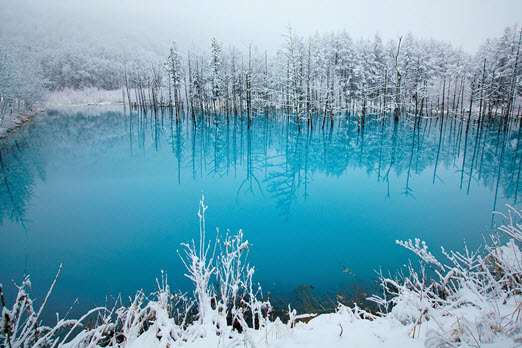
This was where timing mattered.
Shirahige Waterfalls in winter is already impressive, but the real magic came later in the evening at Biei Blue Pond.
We structured the day carefully so the family would arrive exactly when the illumination began. The frozen landscape, the subtle lighting, the stillness of the surroundings.
These are the moments that cannot be left to chance.
Anyone can list attractions. Designing how they are experienced is a different skill altogether.
Furano: The Heart Of The Journey
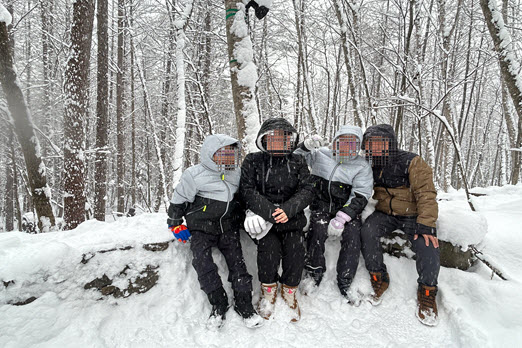
Furano was where the trip truly unfolded.
Snow was consistent. Space was abundant. The pace felt right.
The family enjoyed their first proper snow experiences here. Not rushed. Not crowded. Just time to explore, play, and take it in.
At Ningle Terrace, the atmosphere shifted again. Small wooden cabins, soft lighting, and snow falling quietly around them. C later shared that this was when it truly felt like winter.
The Reality Of Bucket List Experiences
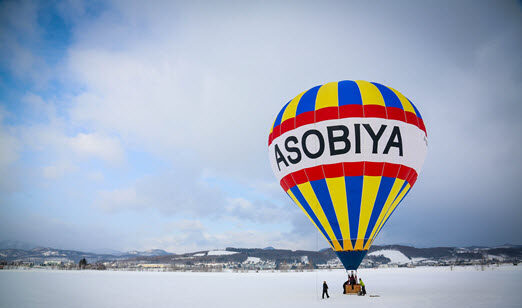
We had arranged a hot air balloon ride.
It is one of those experiences that stays with you. The anticipation, the stillness, the view from above. I have done it myself, so I know exactly how powerful it can be.
Unfortunately, weather conditions did not allow it to happen during their stay.
We explored alternatives and other operators, but winter weather does not negotiate.
What matters more is that the itinerary had enough depth that even without this experience, the trip still felt complete.
Interestingly, another client who travelled later in December managed to take the ride and described it as one of the highlights of their journey.
Furano Cheese Factory: Simple Joys That Matter
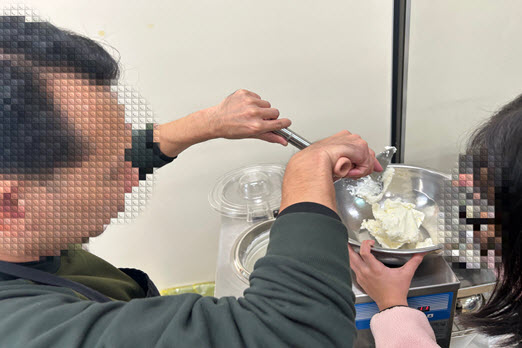
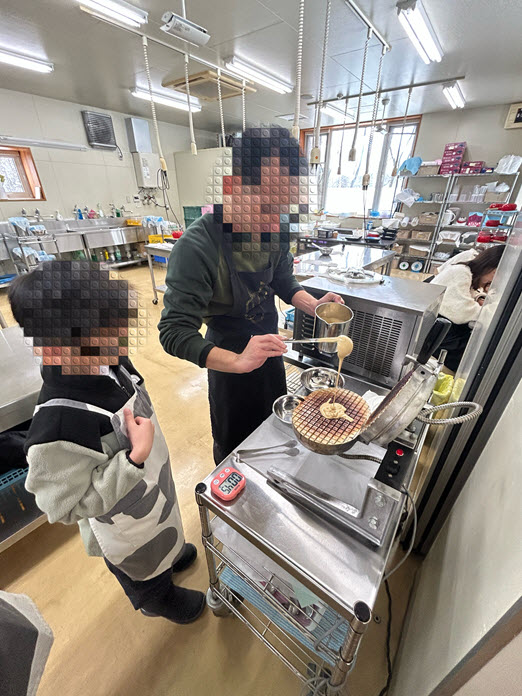
For the children, this became one of the most engaging parts of the trip.
Making cheese, ice cream, and butter may sound simple, but it gave them something to do, something to create, and something to remember.
Travel, especially with children, is not always about the grand highlights. It is often these small, hands-on experiences that stay with them.
A Balanced Winter Itinerary
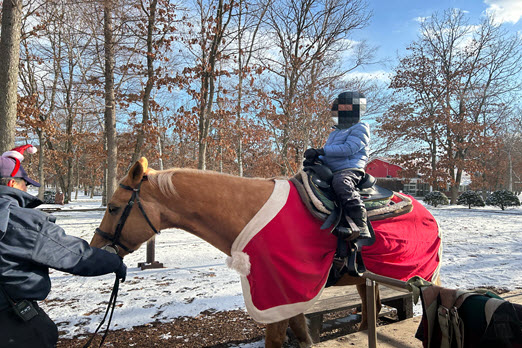
Snow alone is not enough.
We included a visit to a horse park where the children could interact with animals, feed them, and even try riding.
This created a break from the cold and added variety to the journey.
A well-designed itinerary always balances intensity with relief.
Noboribetsu: Experiencing Japan Properly
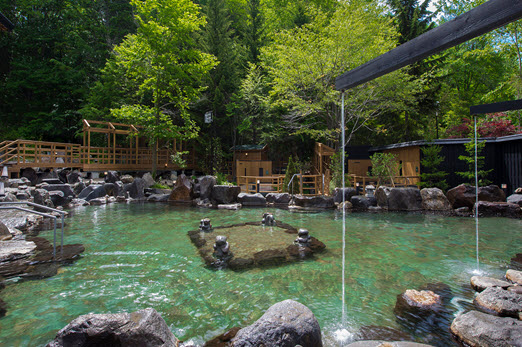
No trip to Japan feels complete without a ryokan stay.
In Noboribetsu, the family checked into a traditional ryokan, experienced onsen bathing, and enjoyed a full kaiseki dinner.
This was not just accommodation. It was cultural immersion.
Nearby, they visited Jigokudani, also known as Hell Valley. Steam rising through the cold air, creating a dramatic contrast against the winter landscape.
It grounded the trip in something deeper than just activities.
Lake Toya: Ending With Calm
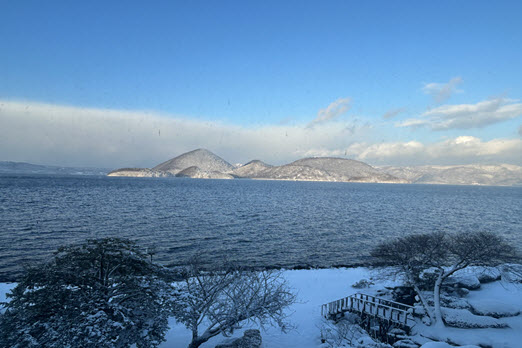
Towards the end of the journey, we brought the family to Lake Toya.
A quiet boat cruise across the lake allowed them to slow down, reflect, and simply enjoy the surroundings.
Ending a trip well is just as important as starting it.
What Makes This Work
On the surface, this looks like a well-planned itinerary.
In reality, it is a series of decisions that had to align.
- Choosing the right base instead of following crowds
- Structuring movement to avoid unnecessary fatigue
- Balancing outdoor exposure with indoor comfort
- Designing experiences for both children and adults
- Adapting around weather and seasonal constraints
This is what we do at Epic Travel Designer.
We do not sell destinations. We design journeys that work in real life.
What The Client Shared After The Trip
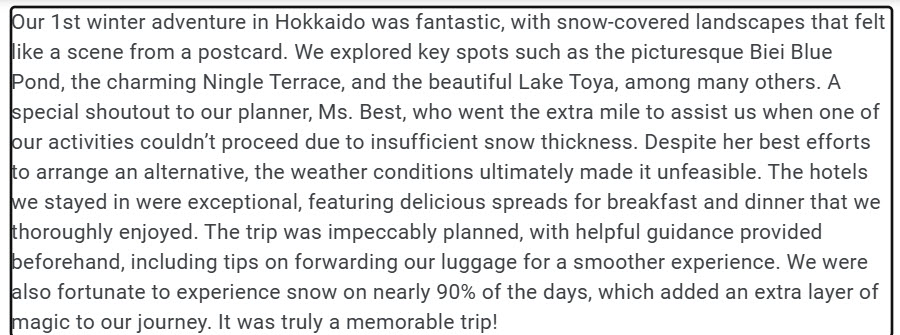
When the family returned, what stood out was not just the destinations, but how the journey felt from start to end.
C shared that the children could not stop talking about their first experience with snow. Not just seeing it, but playing in it, learning through it, and enjoying it at their own pace without being rushed from place to place.
She also mentioned how much she appreciated the balance of the itinerary. There were enough activities to keep the children engaged, but also pockets of time where the family could slow down and simply enjoy being together. That was something she had not experienced in previous trips.
Most importantly, she highlighted the peace of mind throughout the journey. Knowing that the logistics were taken care of, and that support was available when needed, allowed her to focus on what truly mattered. Spending time with her family.
That, to me, is always the real outcome of a well-designed trip.
Thinking About A Hokkaido Winter Trip?
If you are considering Hokkaido, especially with family, the real question is not where to go.
It is how to structure the journey so it actually feels right.
Start here:👉 Japan Travel Planner
About The Author
Best Teo is the Chief Travel Designer behind Epic Travel Designer.
She specialises in designing journeys that go beyond standard itineraries, especially in destinations like Japan where logistics and sequencing make all the difference.
Her work focuses on creating travel experiences that feel effortless for clients, even when the planning behind them is anything but simple.