
A 19-Day Family Journey Designed Without Compromise
When R came to us, it was not his first time planning a trip to Japan.
In fact, he had tried before. More than once.
On paper, everything looked perfect. Flights booked. Hotels selected. A rough itinerary mapped out. But when it came to actually travelling, things fell apart. Train timings did not align. Transfers were confusing. The pace was exhausting. And instead of enjoying the trip, the family found themselves frustrated, tired, and arguing over what to do next.
This time, R wanted something different.
He wanted a journey that worked.
That was when he engaged Epic Travel Designer through our Japan Travel Planner
A Family Trip That Had To Work For Everyone
R had studied in Japan and spoke the language. Hiroshima, in particular, held deeply personal memories for him. He wanted to bring his family back, not just to visit, but to experience Japan properly.
But this was no simple trip.
- 19 days across multiple regions
- Kansai, Hiroshima, Gifu, Kanazawa, Tokyo
- Self-driving in selected areas
- Theme parks for the kids
- Cultural experiences for the adults
- A pace that worked for both
This was not something you “piece together”.
This had to be designed.
Why Families Struggle With Japan Travel Planning
Japan looks easy from the outside.
Trains are efficient. Cities are safe. Everything runs on time.
But once you start planning a multi-city itinerary, especially with children, the complexity quickly builds.
- Which rail pass actually makes sense
- When to drive and when not to
- How to sequence cities without backtracking
- Where to slow down so the trip does not become exhausting
- How to balance theme parks, culture, and rest
This is exactly where most DIY trips break down.
And this is exactly what our Travel Planning Process is designed to solve.
Highlights of This 19-Day Japan Family Journey
This was not just a list of destinations. Every stop had a purpose.
Hiroshima: Where It All Began
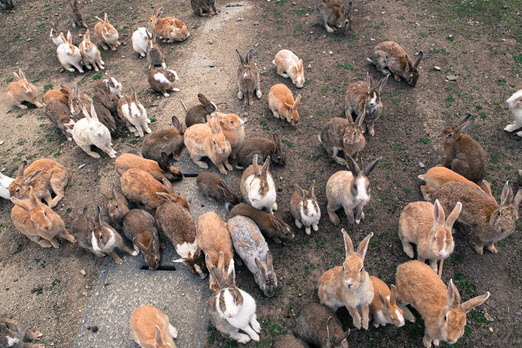
We started in Hiroshima, where R’s story with Japan first began.
At Okunoshima, also known as Rabbit Island, the children were instantly drawn into the experience. Hundreds of rabbits roaming freely, approaching without fear. It was simple, joyful, and unexpectedly memorable.
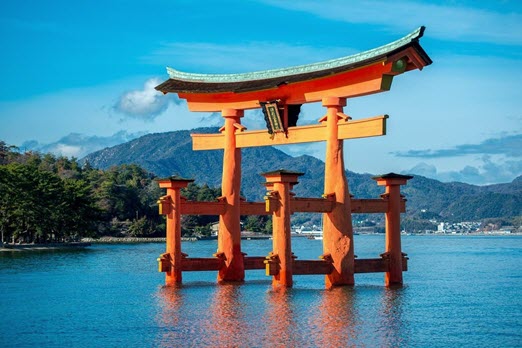
On Miyajima, the iconic floating torii gate created one of those quiet travel moments. Walking through the island, with deer wandering nearby and the sea shifting with the tide, the pace naturally slowed. Exactly what the family needed after arrival.
Osaka and Nara: Energy, Play and Food
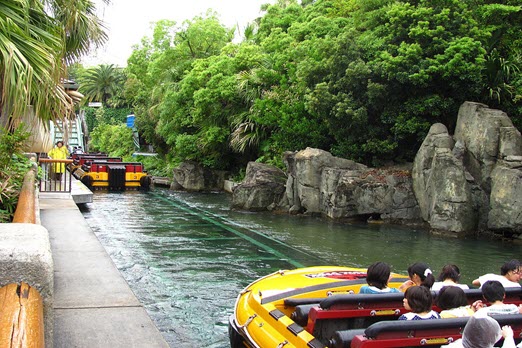
In Osaka, the energy shifted.
At Universal Studios Japan, we structured the day so the family could experience Super Nintendo World and the major attractions without the usual chaos. Timing mattered here. A lot.
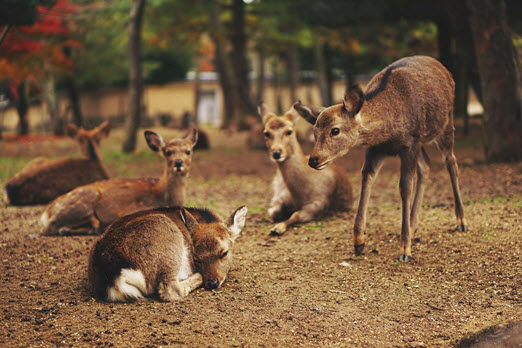
In Nara, feeding the deer was not just an activity. It became one of those shared family moments where everyone laughed, even the adults who thought they would just “watch”.
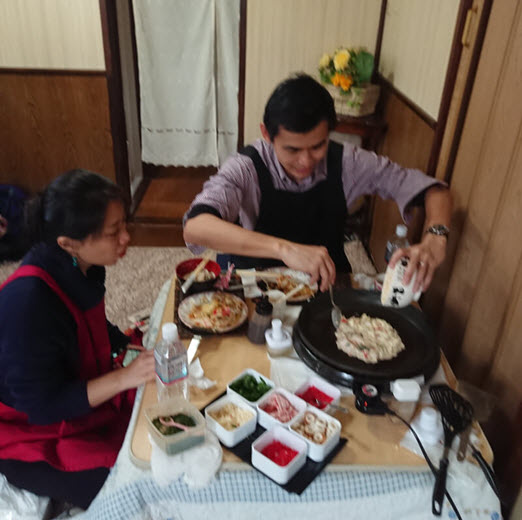
The okonomiyaki cooking class added something different. Instead of just eating, the family made their own meal. Kids were involved, engaged, and proud of what they created.
Himeji: A Glimpse Into Japan’s Past
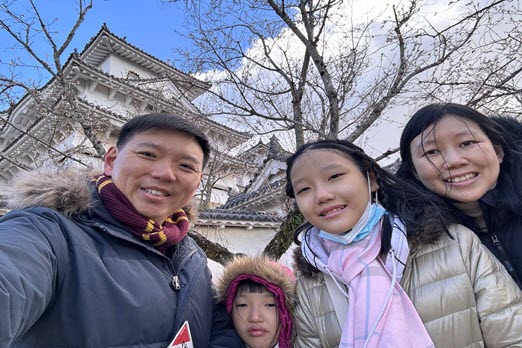
At Himeji Castle, the children were not just visiting another site. They were imagining themselves inside a different era.
The scale, the structure, the history. It grounded the journey.
Gifu: Where Japan Slows Down
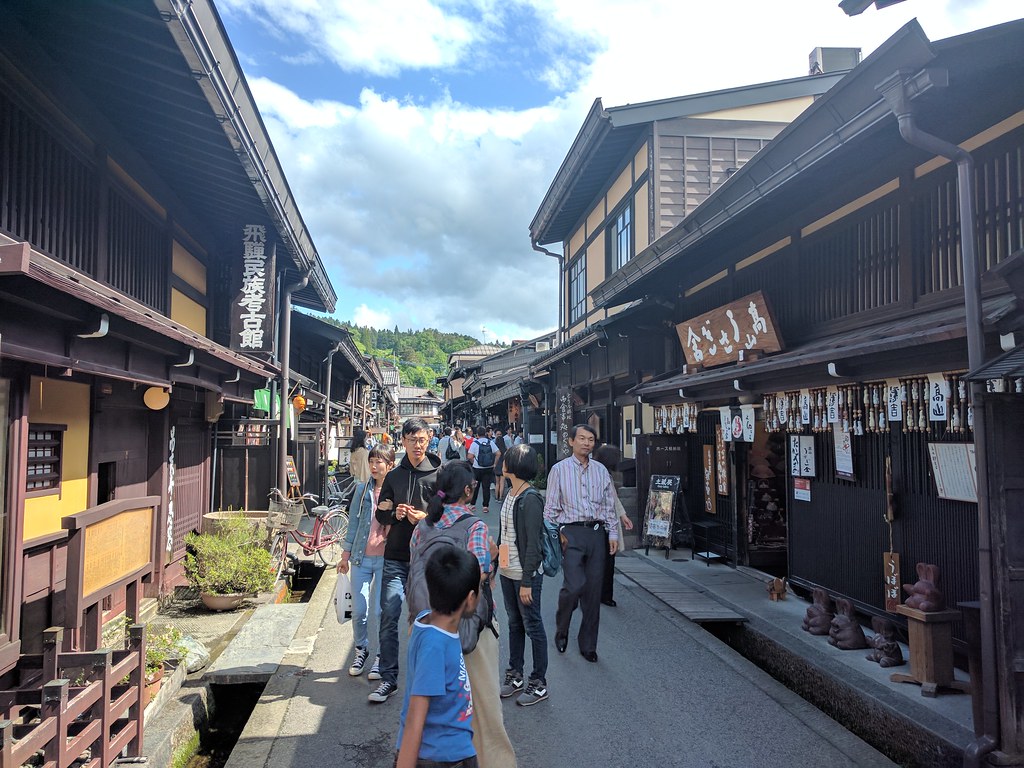
This was where the trip transformed.
In Takayama, walking through the old streets felt like stepping back into the Edo period. Small shops, local snacks, and a rhythm that invited you to wander without rushing.
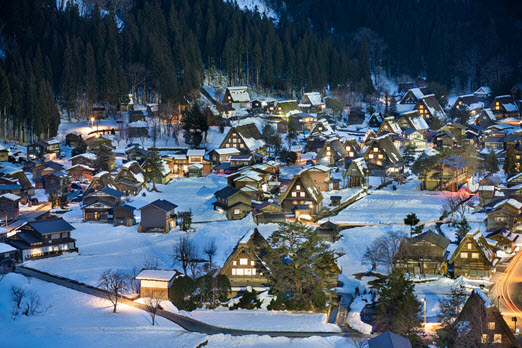
But the real highlight was Shirakawago.
Most travellers visit as a day trip.
We designed it as an overnight stay.
After the day-trippers left, the village became quiet. Snow settled over the gassho-style houses. The atmosphere shifted completely.
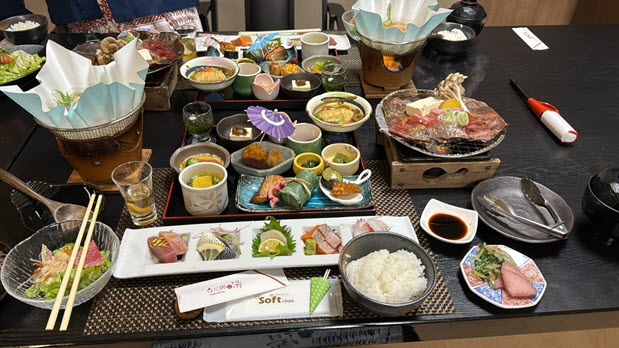
That evening, the family checked into a ryokan.
They soaked in the onsen, surrounded by winter stillness. Dinner was a carefully prepared kaiseki meal, served slowly, intentionally.
This was not sightseeing anymore.
This was experiencing Japan.
Kanazawa and Nagoya: Balance and Discovery
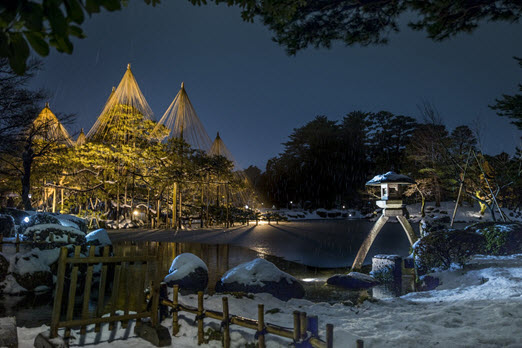
At Kenrokuen Garden, one of Japan’s top three landscaped gardens, the family experienced a different side of beauty. Calm, structured, and seasonal.
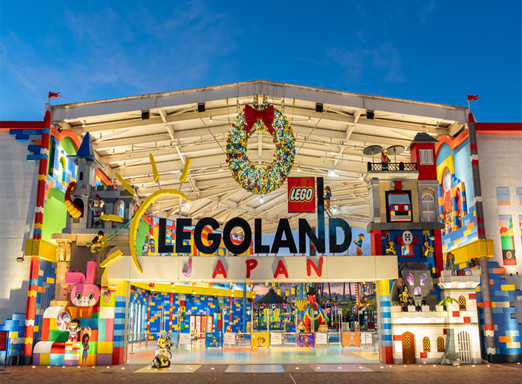
In Nagoya, we introduced contrast.
Legoland for pure fun.
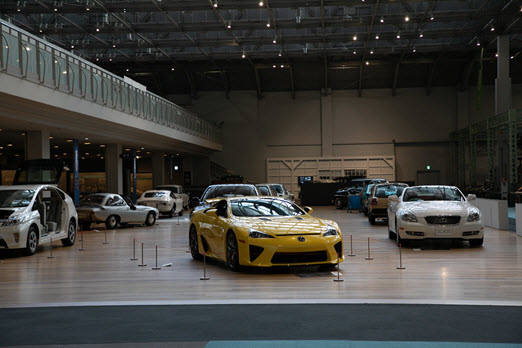
Toyota Commemorative Museum for curiosity and learning.
It kept the children engaged without overwhelming them.
Hakone: A Change of Pace
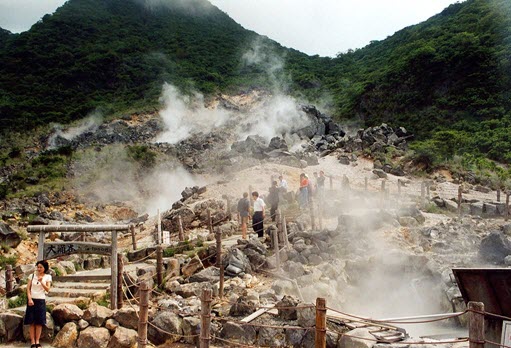
Hakone was designed as a reset.
Cable cars over volcanic valleys. The dramatic landscape of Owakudani. A slower day before entering Tokyo.
Sometimes, what matters most in a journey is knowing when to slow things down.
Tokyo: Ending With Impact
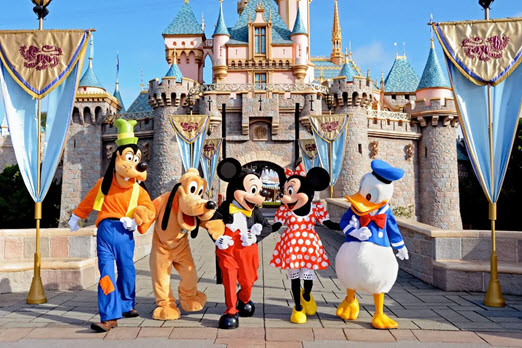
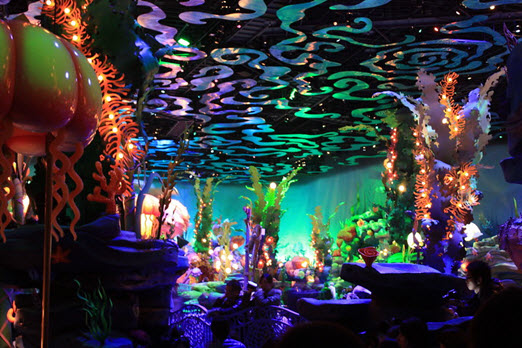
Tokyo brought everything together.
Two full days at Disneyland and DisneySea, carefully structured so the family did not feel rushed.
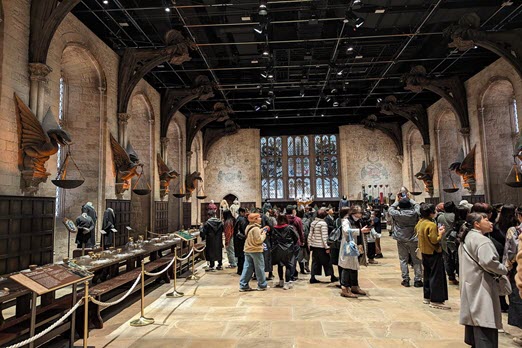
The Harry Potter Studio added a different layer of excitement.
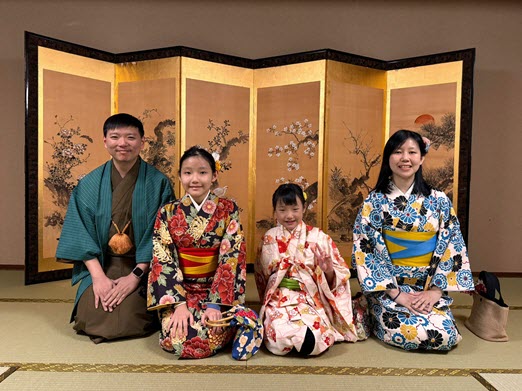
The tea ceremony experience, done in kimono, gave the family a rare opportunity to pause. To understand the philosophy behind Japanese culture, not just observe it.
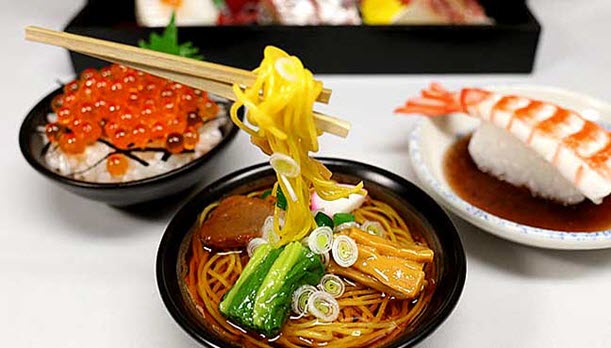
And the food replica workshop became one of the most unexpectedly fun moments. Creating something with their hands, and bringing it home as a memory.
What You Do Not See: The Real Work Behind This Trip
What looks seamless on the surface rarely is.
This journey required:
- Combining different regional rail strategies
- Planning self-driving routes that actually made sense
- Coordinating private transfers where trains were inefficient
- Managing luggage logistics across cities
- Designing pacing so the family did not burn out halfway
If done independently, this would easily take months of research. And even then, mistakes are common.
This is the difference between planning a trip and designing one.
What The Client Said
And they did.
They came back for another Japan trip.
That, more than anything, tells you everything.
Thinking Of Planning Japan With Your Family?
If you are trying to balance:
- Kids and adults
- Cities and countryside
- Experiences and rest
- Logistics and enjoyment
Then you already know this is not straightforward.
Start here:
👉 Japan Travel Planner
About The Author
Best Teo is the Chief Travel Designer behind Epic Travel Designer.
She specialises in designing complex, multi-destination journeys that require more than just bookings. Her work focuses on families, professionals, and clients who value well-structured travel without unnecessary stress.
Her approach is simple. Every journey must work in real life, not just look good on paper.